
New Appointment feature
OVERVIEW
We are proposing the introduction of a new appointment functionality to improve the faculty hiring process for institutions. Currently, our existing product is not meeting customer expectations in the final employee hiring step, resulting in dissatisfaction and hindering the adoption of our product. We aim to enhance [Product Name] to ensure customer success, leading to greater adoption and growth.
ROLE
UX Designer: User Research, Wireframing
January 2023 - Ongoing
Our Approach
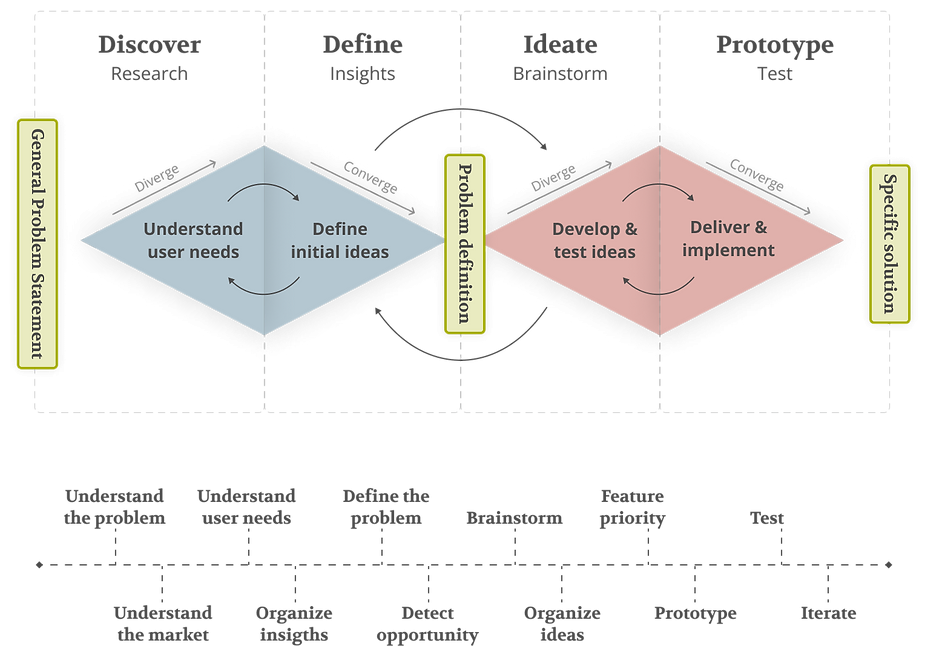
Our process is based on the Double Diamond Theory and Lean UX process. We aim to incorporate the key phases of Discovery, Definition, Ideation, and Implementation in all of our projects.
Research Method
- Internal focus group - helped us gain insights from our team members, who interact with our products and/or clients daily. The involvement of cross-functional teams (e.g., customer service, marketing, engineering) resulted in a more holistic view of our user experience, helping identify potential areas of improvement. The familiarity among the group encouraged open, honest discussions and aided in extracting valuable, actionable insights that would not be obtained through other research methods.
- Client Interviews - helped to understand our users' thoughts, actions, and interactions with our product. We learned about their hiring processes and management-related needs. We gathered clients' expectations about new functionality to comprehend their needs and uncovered patterns and trends. This helped generate empathy and enabled us to incorporate user feedback to create a product catering to our target audience's needs and expectations.
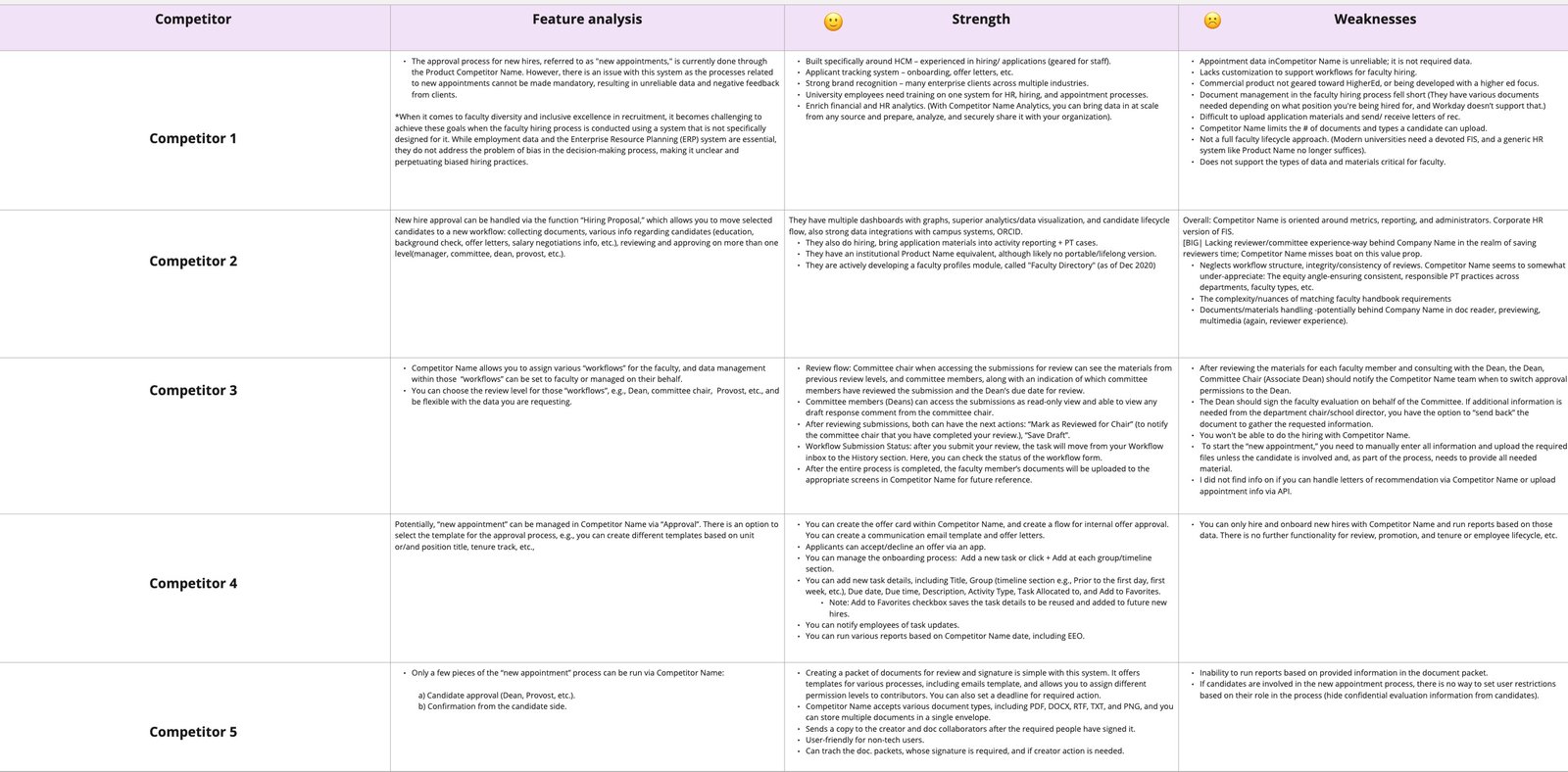
- Competitor Analysis helped us understand our competitor's strengths and weaknesses compared to our own and find a gap in the market.
- Direct Competitors: [Competitor 1], [Competitor 2], [Competitor 3].
- Competitors identified during user interviews: [Competitor 4], [Competitor 5 indirect].
Personas

Andrea
(Unit Manager)
Andrea requires tools and resources to effectively oversee her department and the hiring process due to the laborious communication process and numerous errors caused by human factors when gathering all necessary materials for a candidate's new appointment package.

Philip
(Institutional Admin)
Philip requires a more efficient tool for approving appointments to ensure that the new appointment package contains all necessary materials and is approved promptly.

James
(Dean)
Dean James requires a swift and effective method to verify that the candidate meets the standards of their selected rank, given the high demand for the position and the constraints on time.
During the interview, we discovered that preparing a new appointment packet requires attention to detail, two-party communication, and multi-step approval. We believe that the process of appointing new hires is laborious and that we may be able to help streamline it.
We might do this by creating new functionality to manage new appointments, ensure the reuse of documents and forms collected during the hiring process, as well as providing a quick and intuitive way to approve new hires by the respective committee. Use collected data for various requests and reports and future career growth events. This will bring [Company Name] closer to a unified platform vision, increase product adoption and growth, and increase user satisfaction rate.
Brainstorming
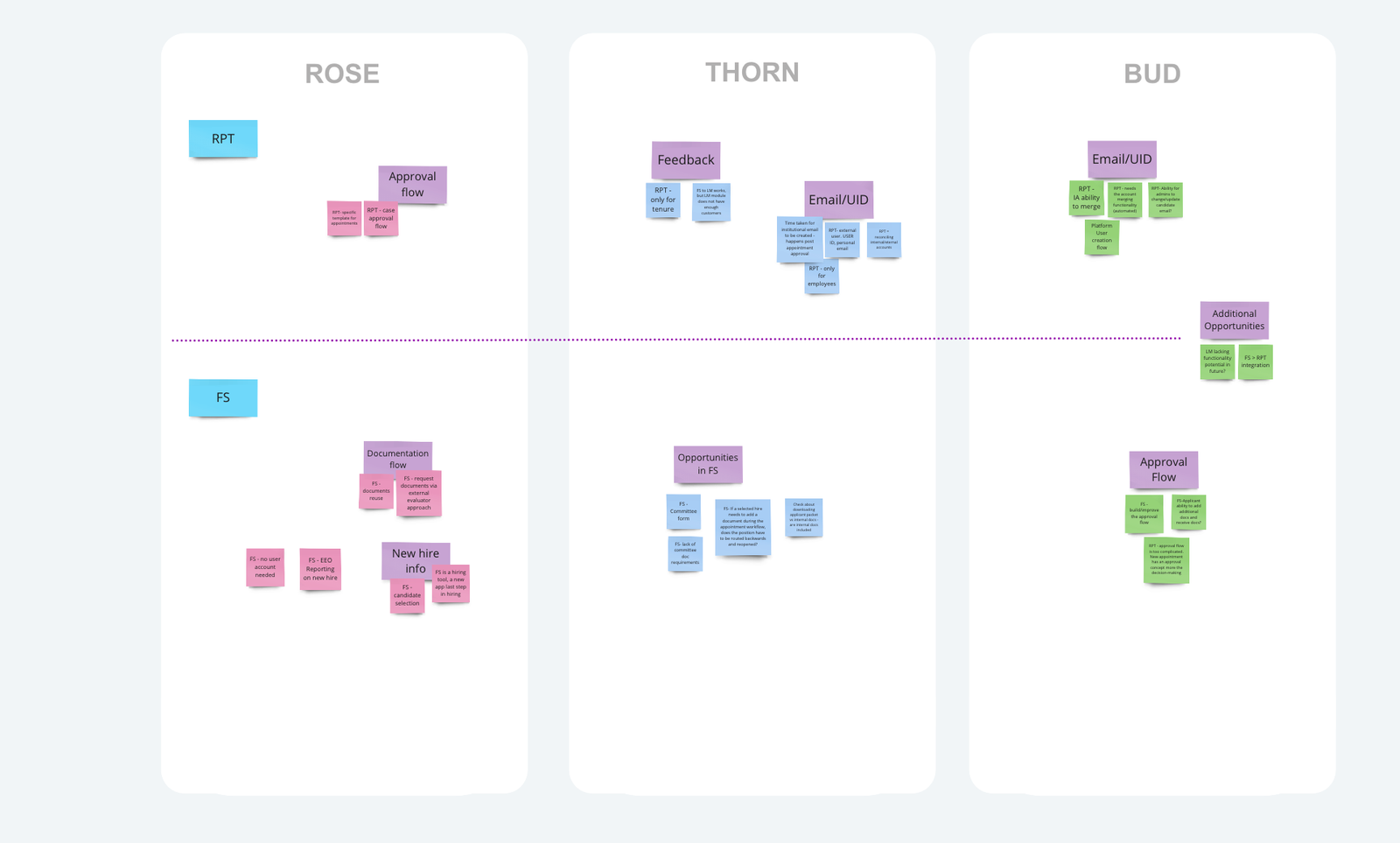
We used the Rose, Thorn, Bud activity to confirm our assumptions about which [Company Name] product would be most suitable for implementing the new appointment feature and which module would benefit the most from its integration.
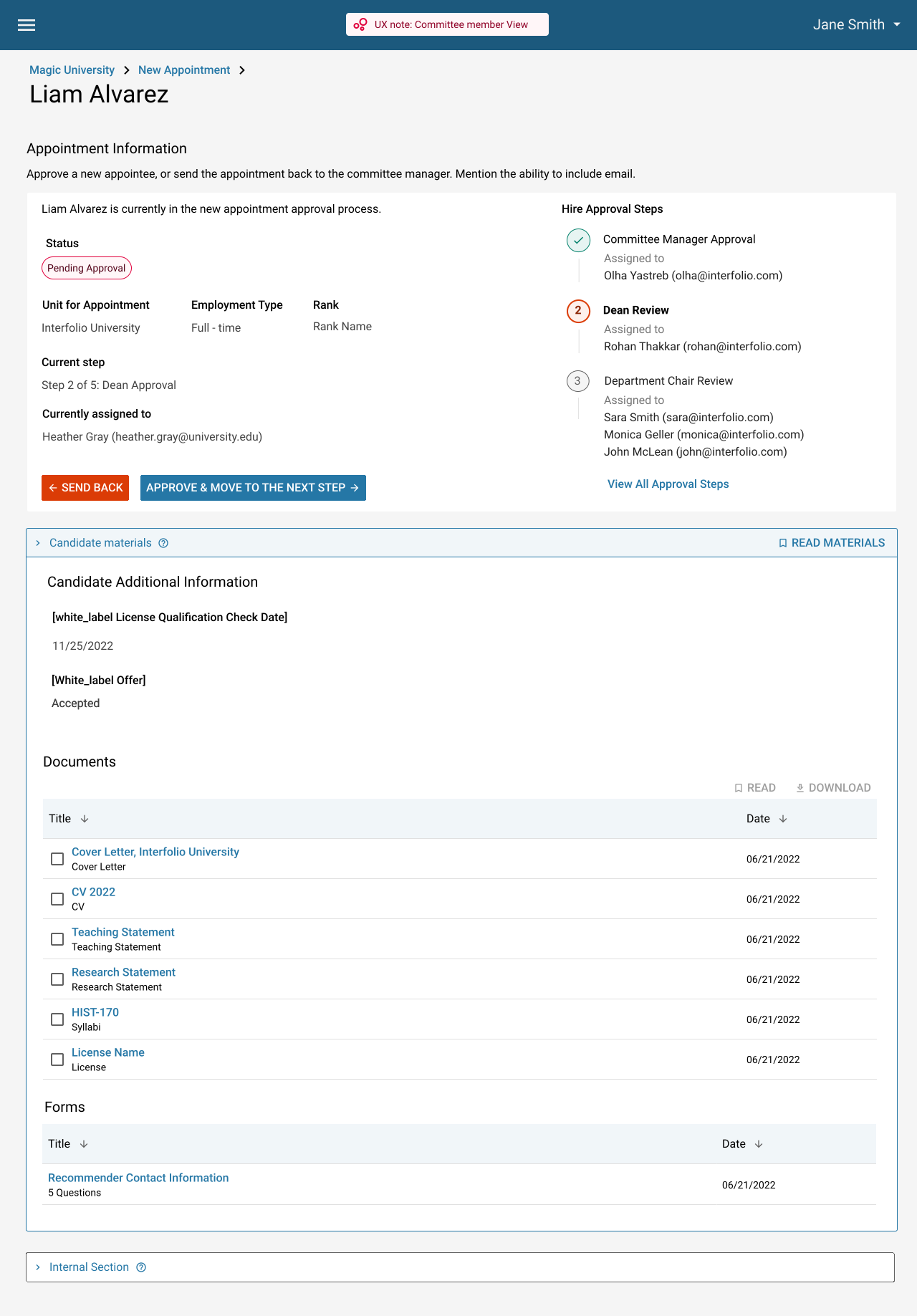
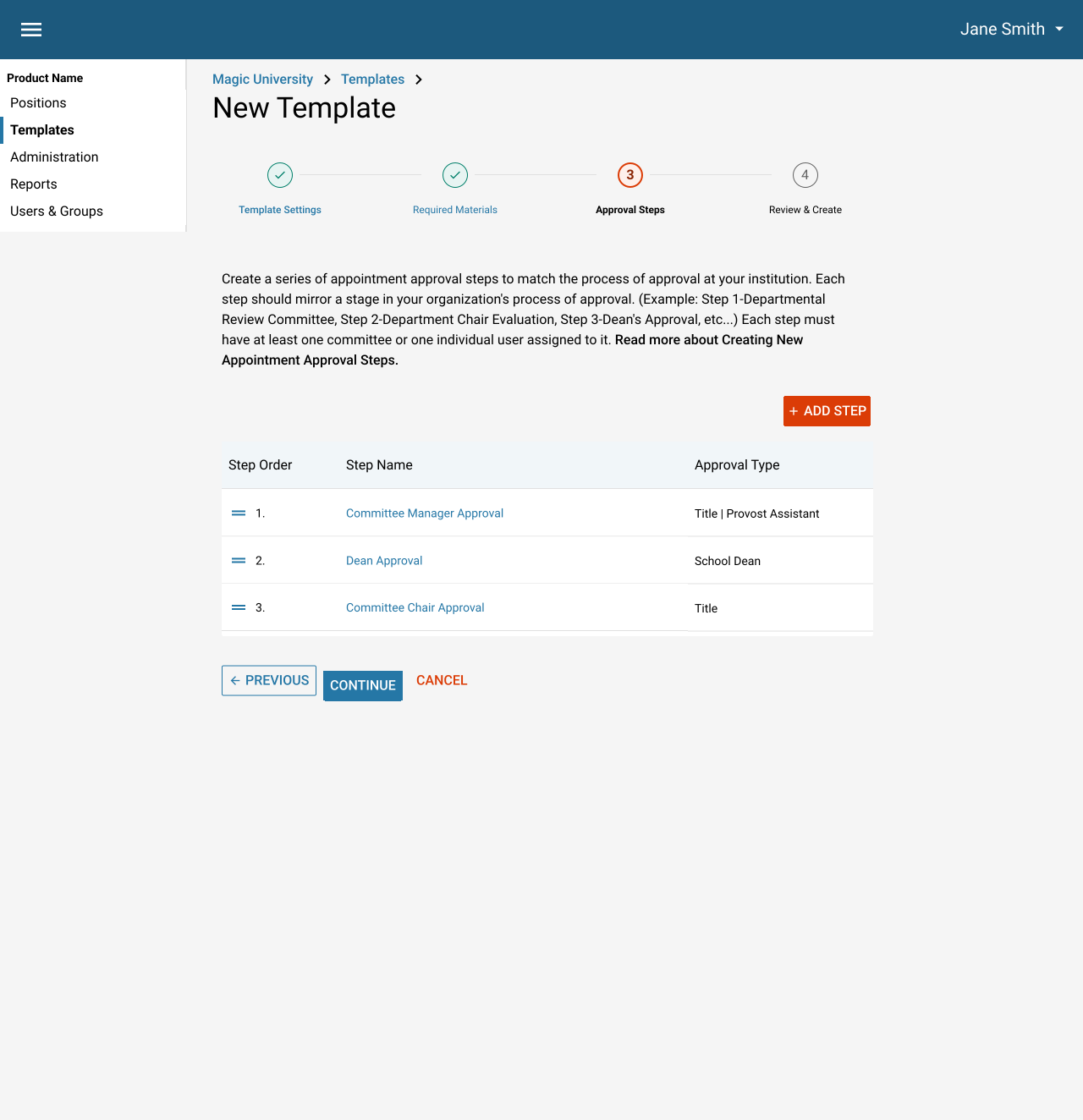
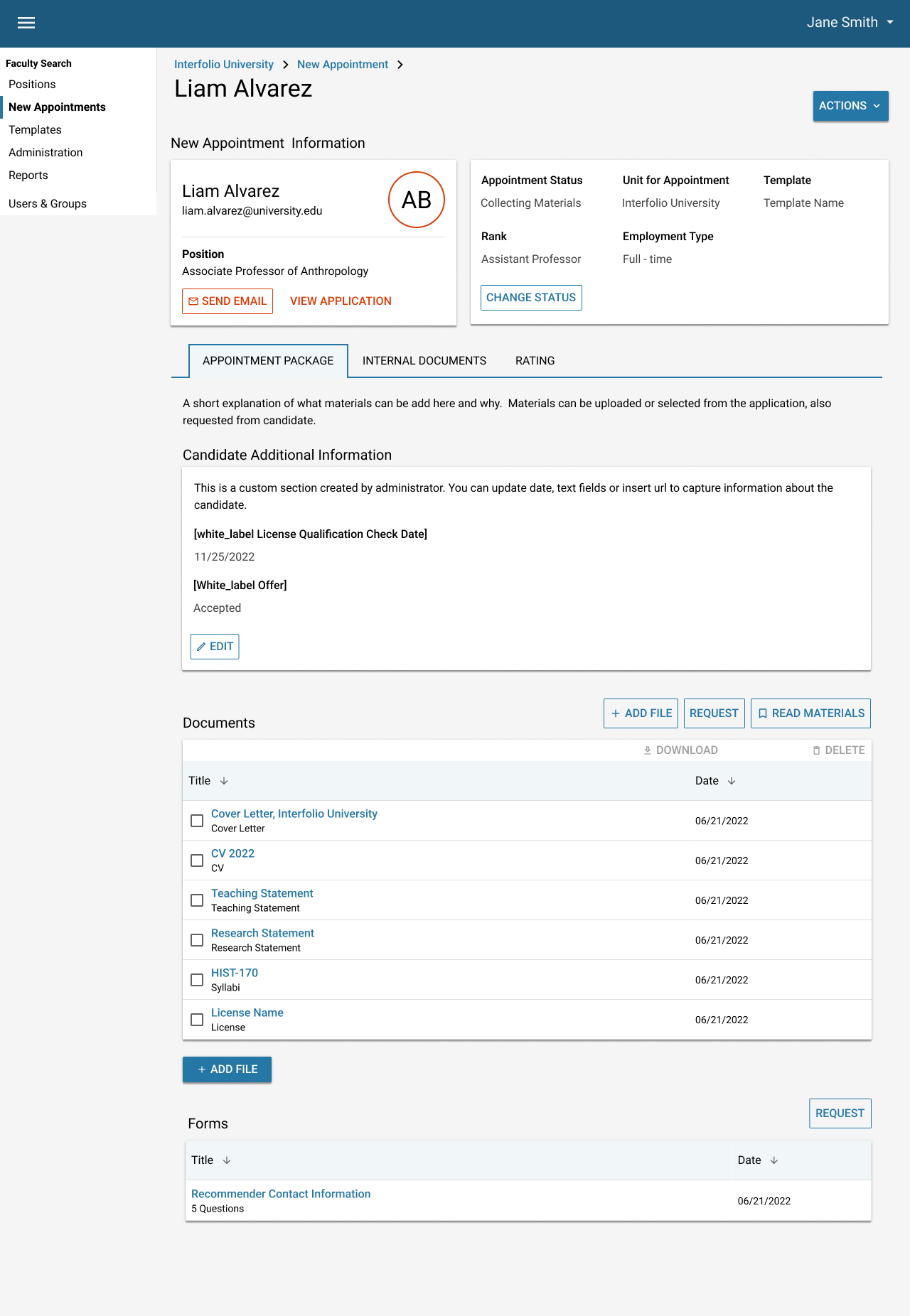
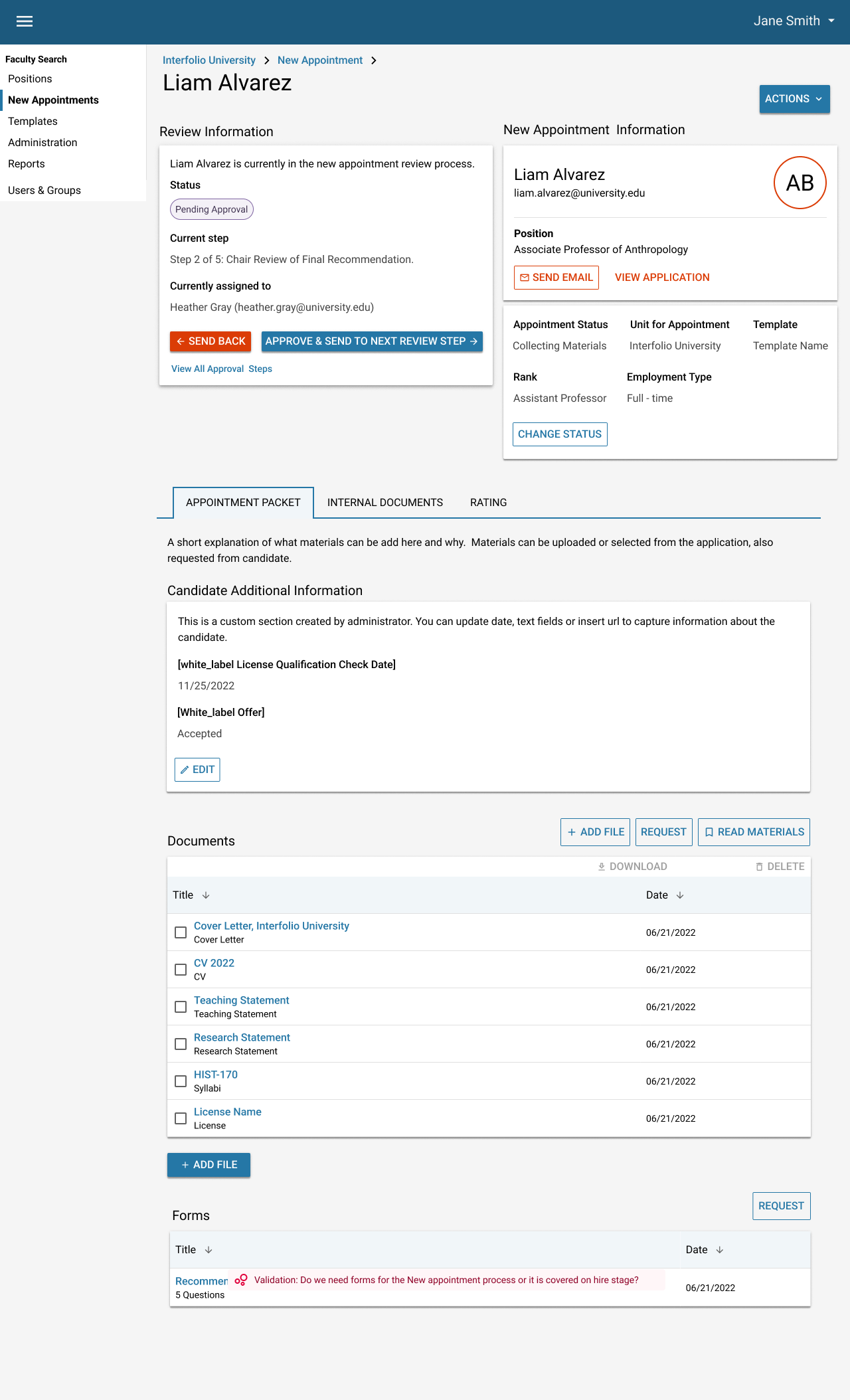
After the evaluation, we determined that [Product Name] would be the best option for incorporating this feature. It has the potential to significantly improve the process of hiring faculty and managing transitions to employee status. This could be achieved by implementing an appointment flow for selected candidates, enabling administrators to reuse necessary documents and forms gathered during the hiring process, and creating an efficient system for committees to approve new hires.
UX Recommendations
1
All interviewed clients would like to initiate the new appointment for the candidates selected in [Product Name], 3 of 6 want to share a new appointment package with employee profiles/accounts in [Product Name1]/ [Product Name2].
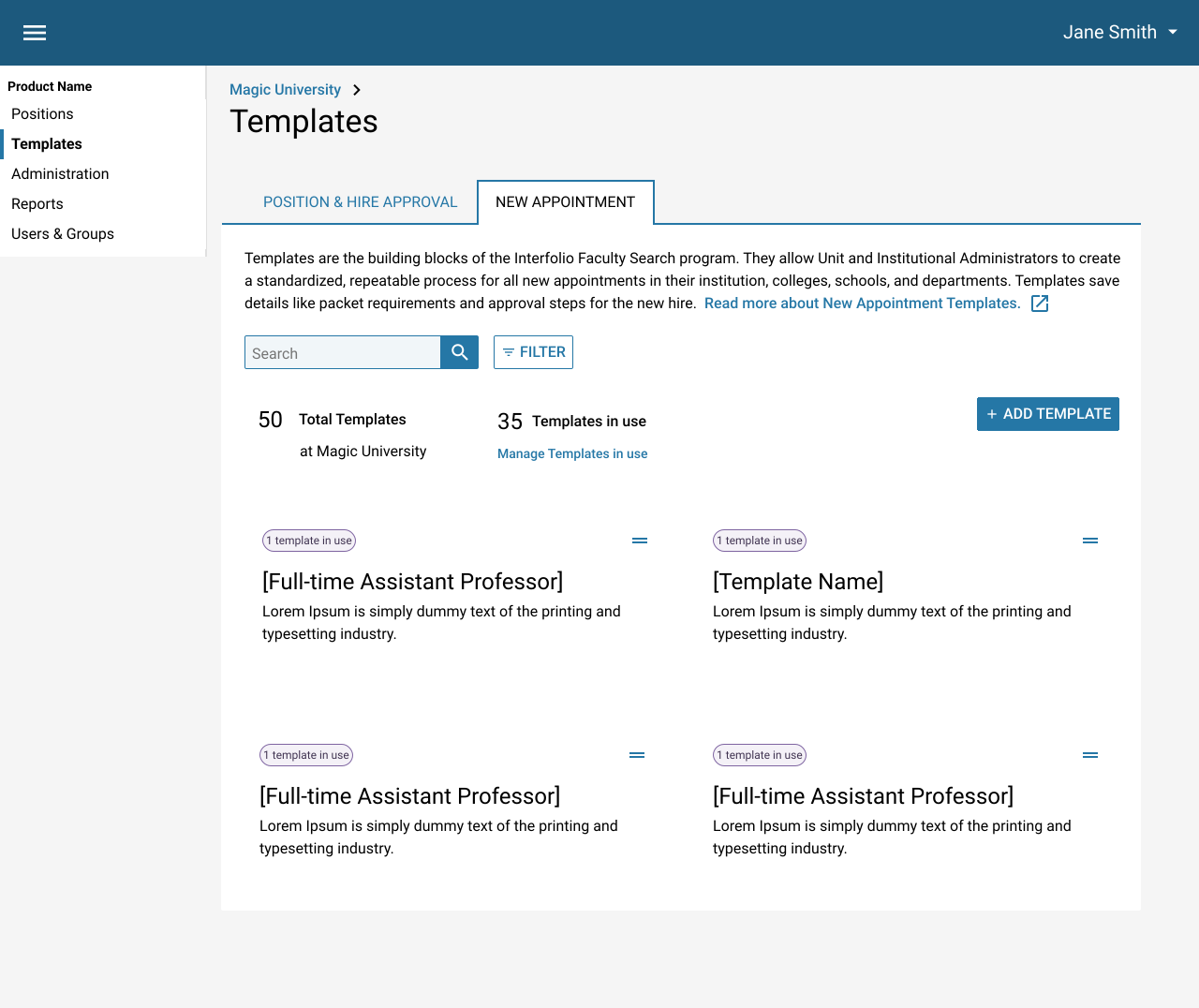
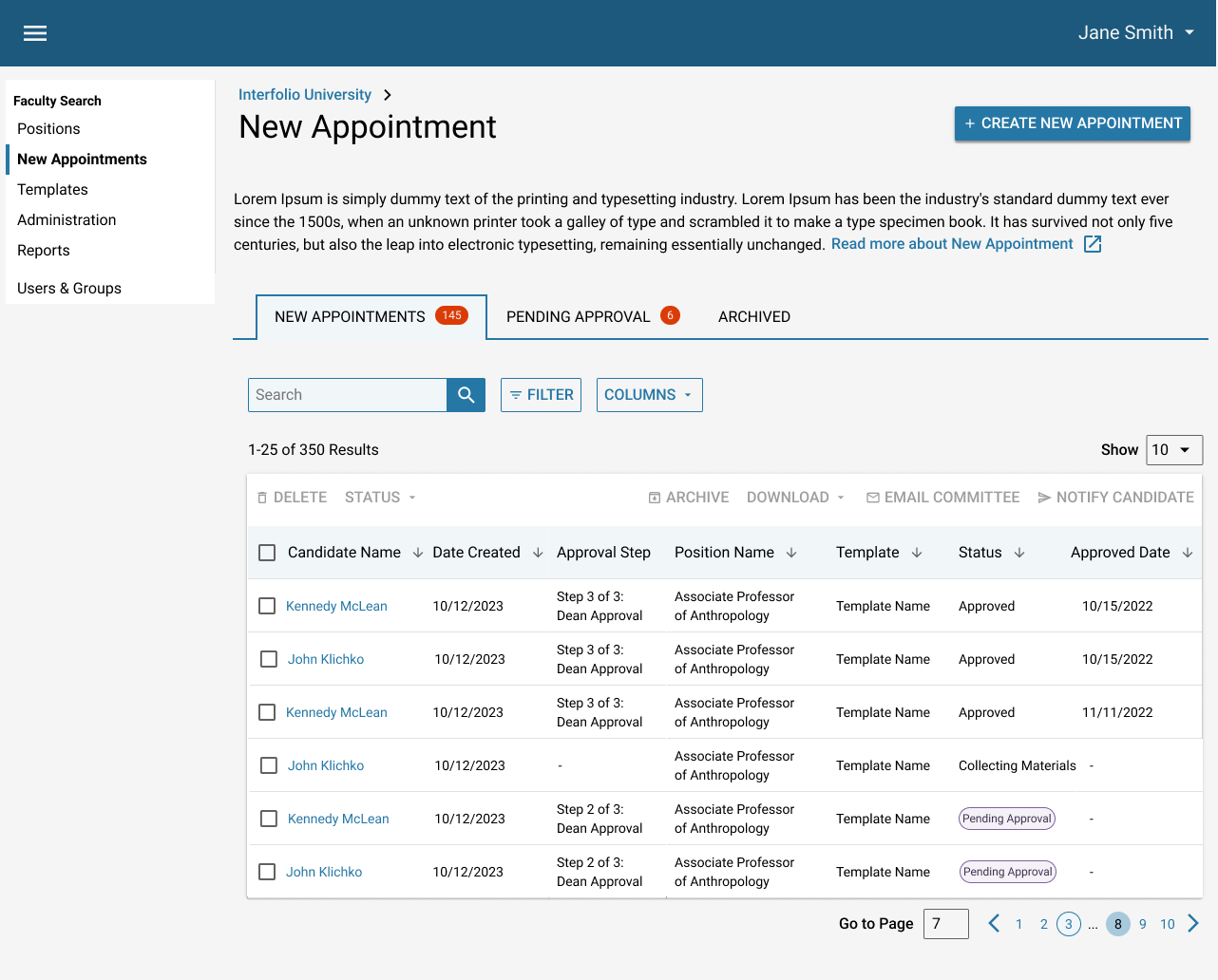
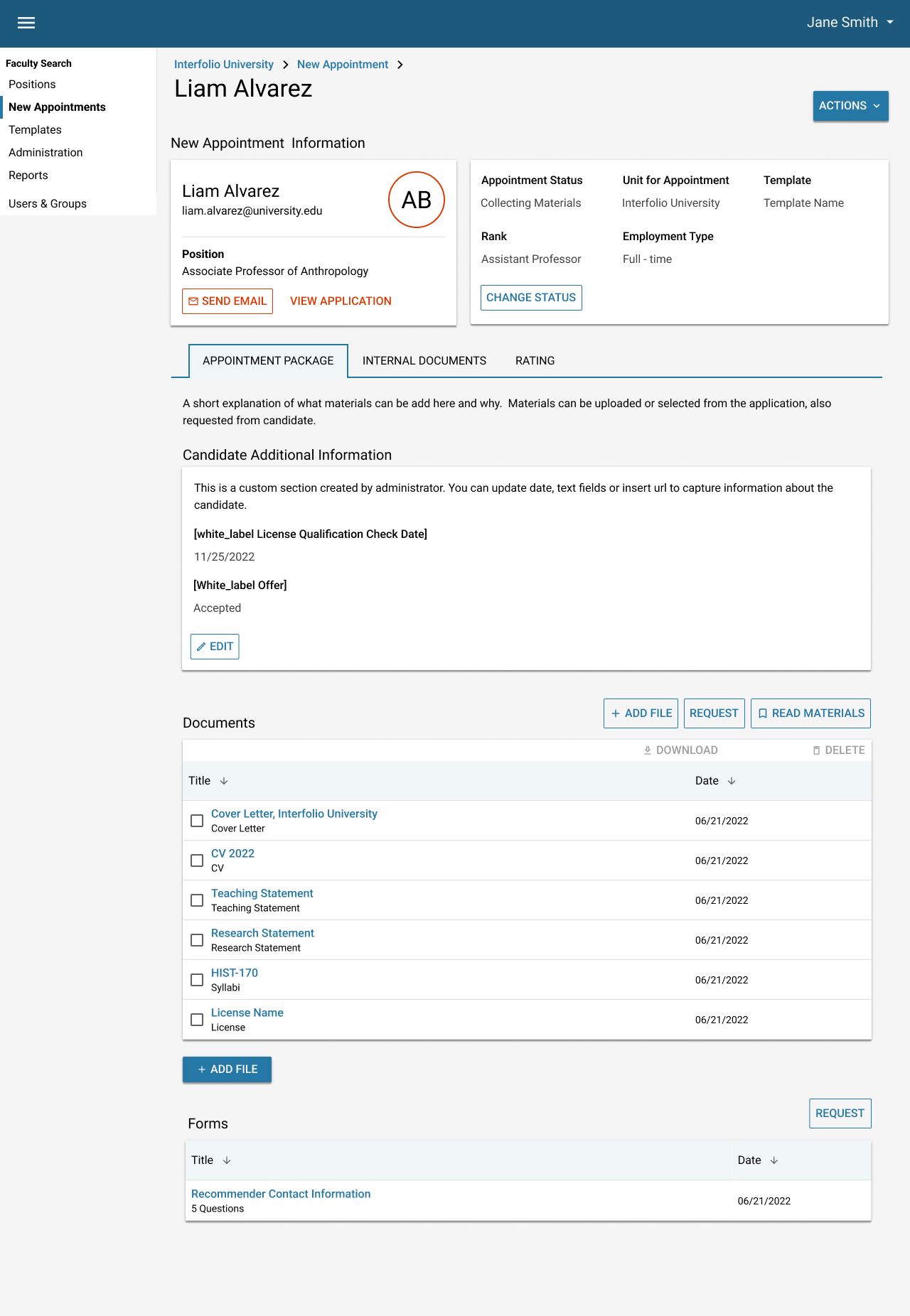
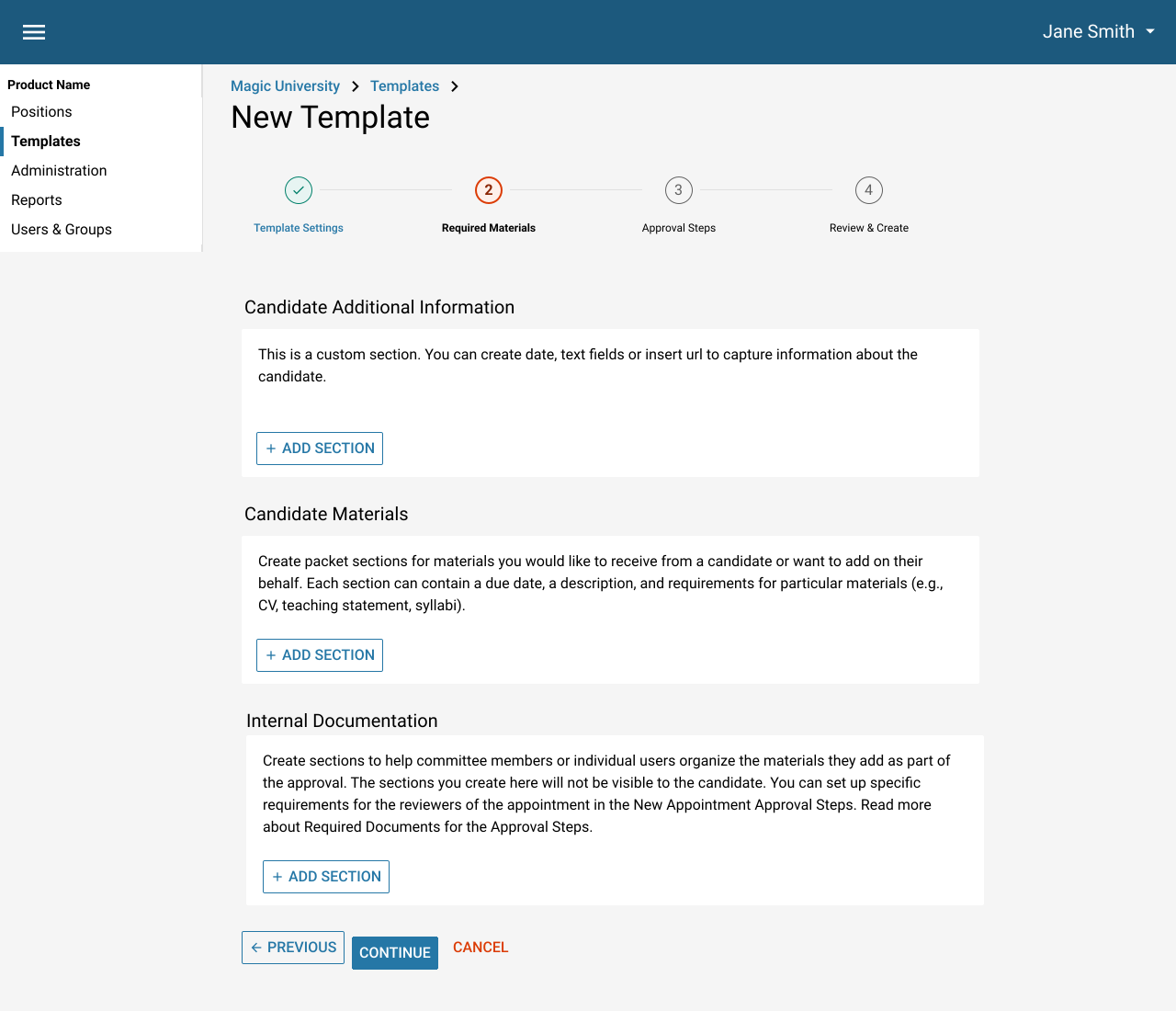
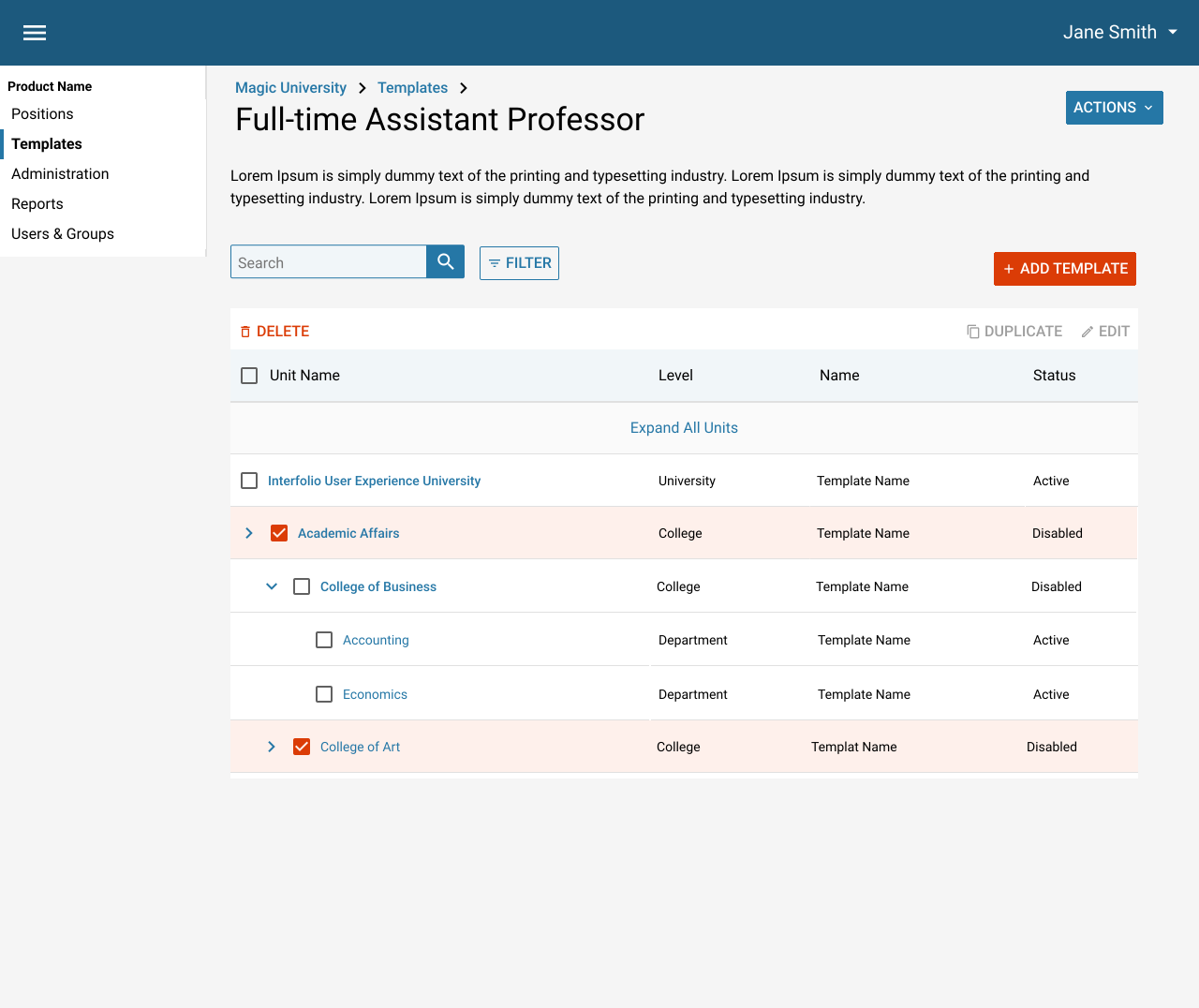
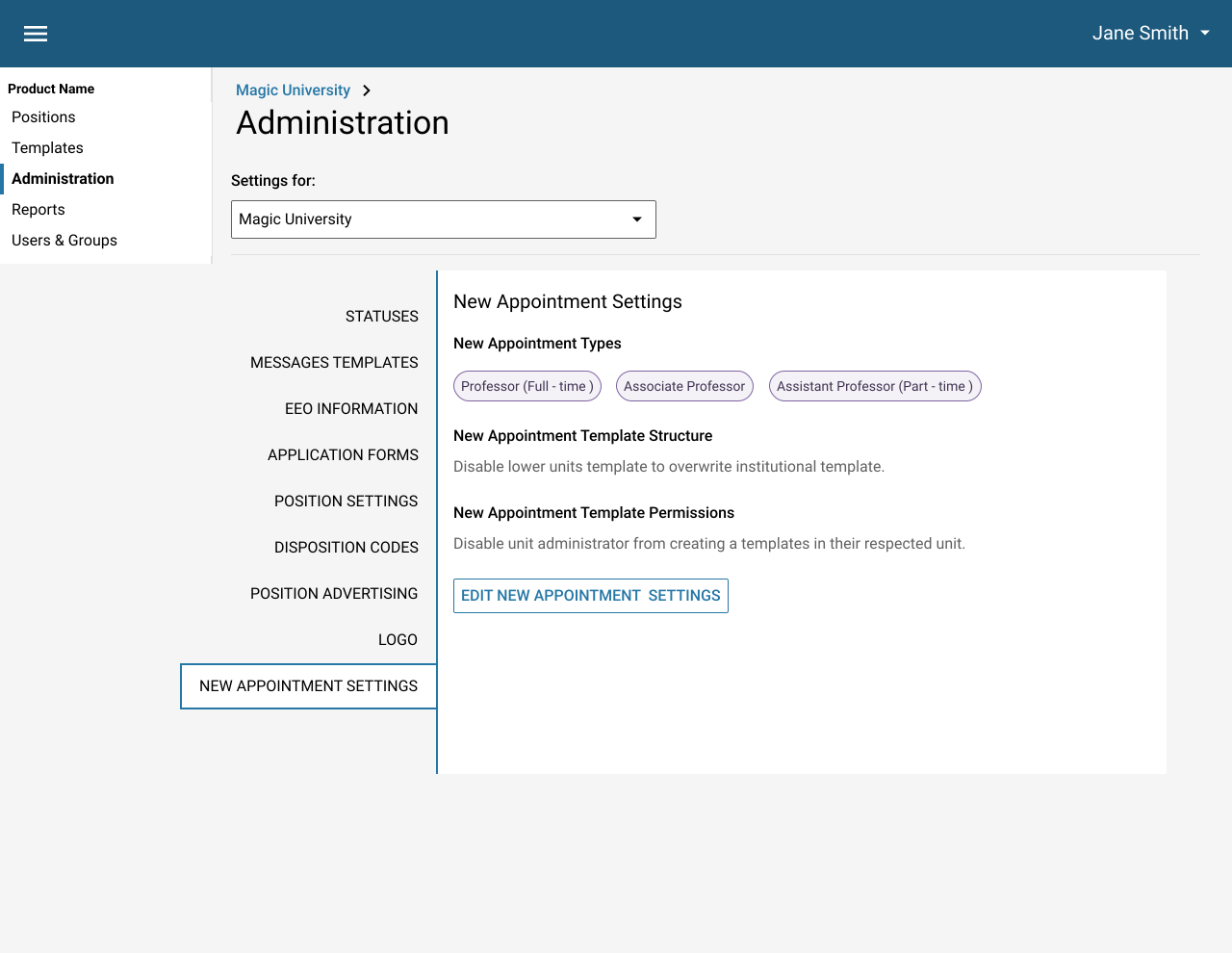
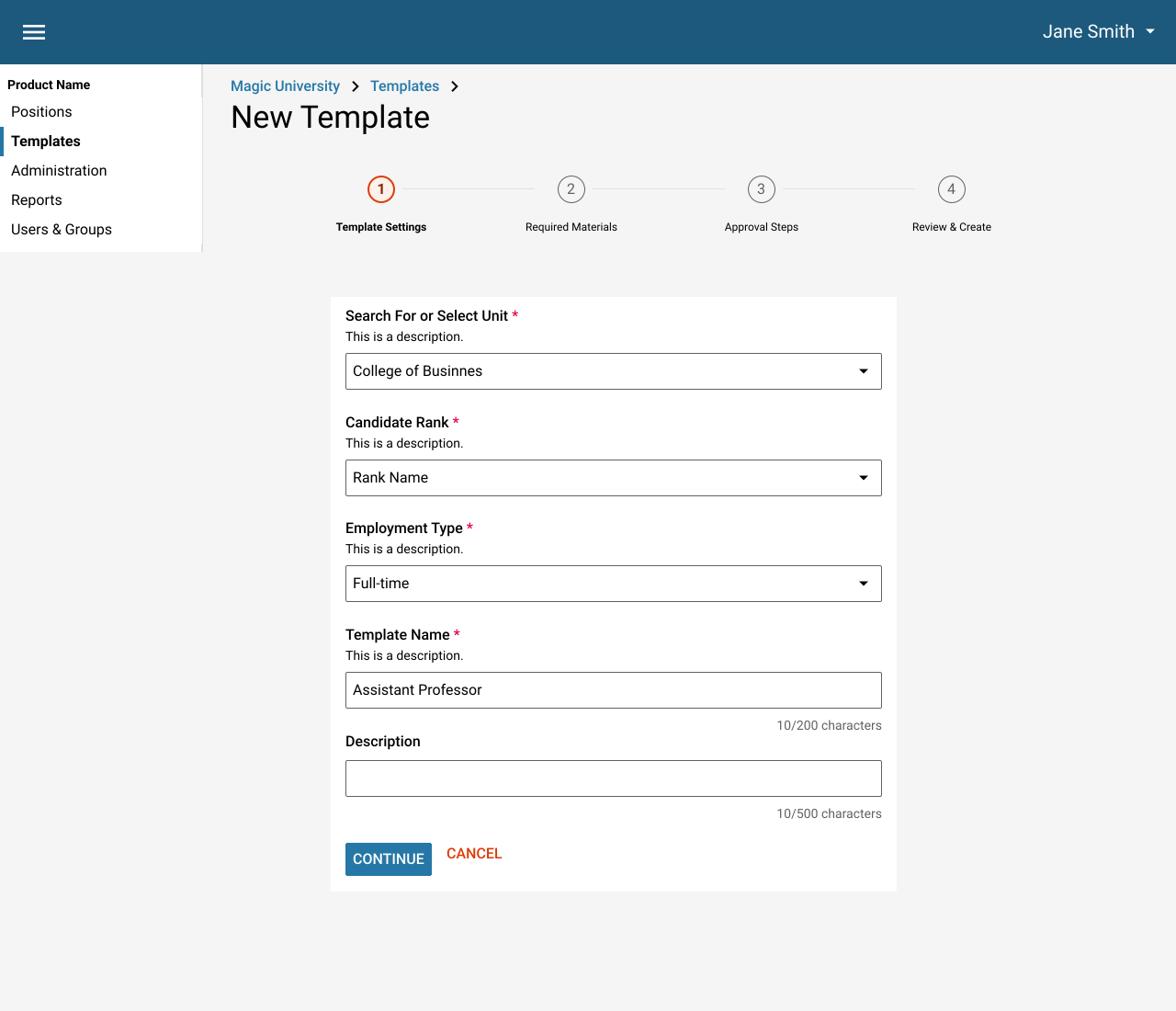
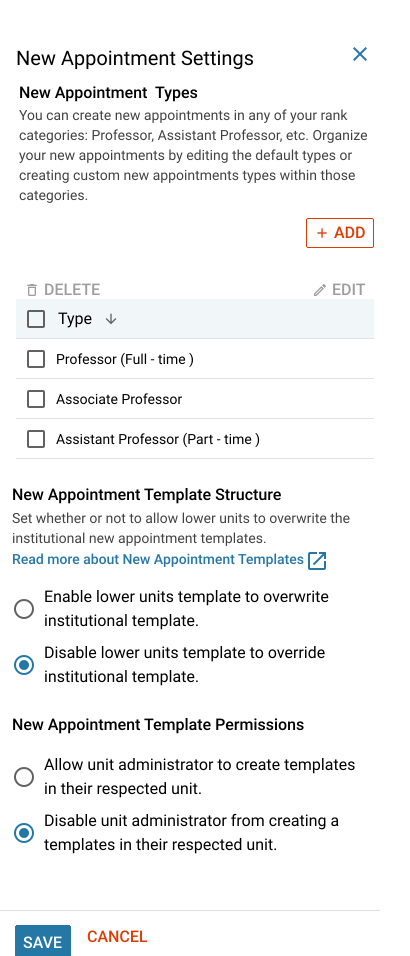
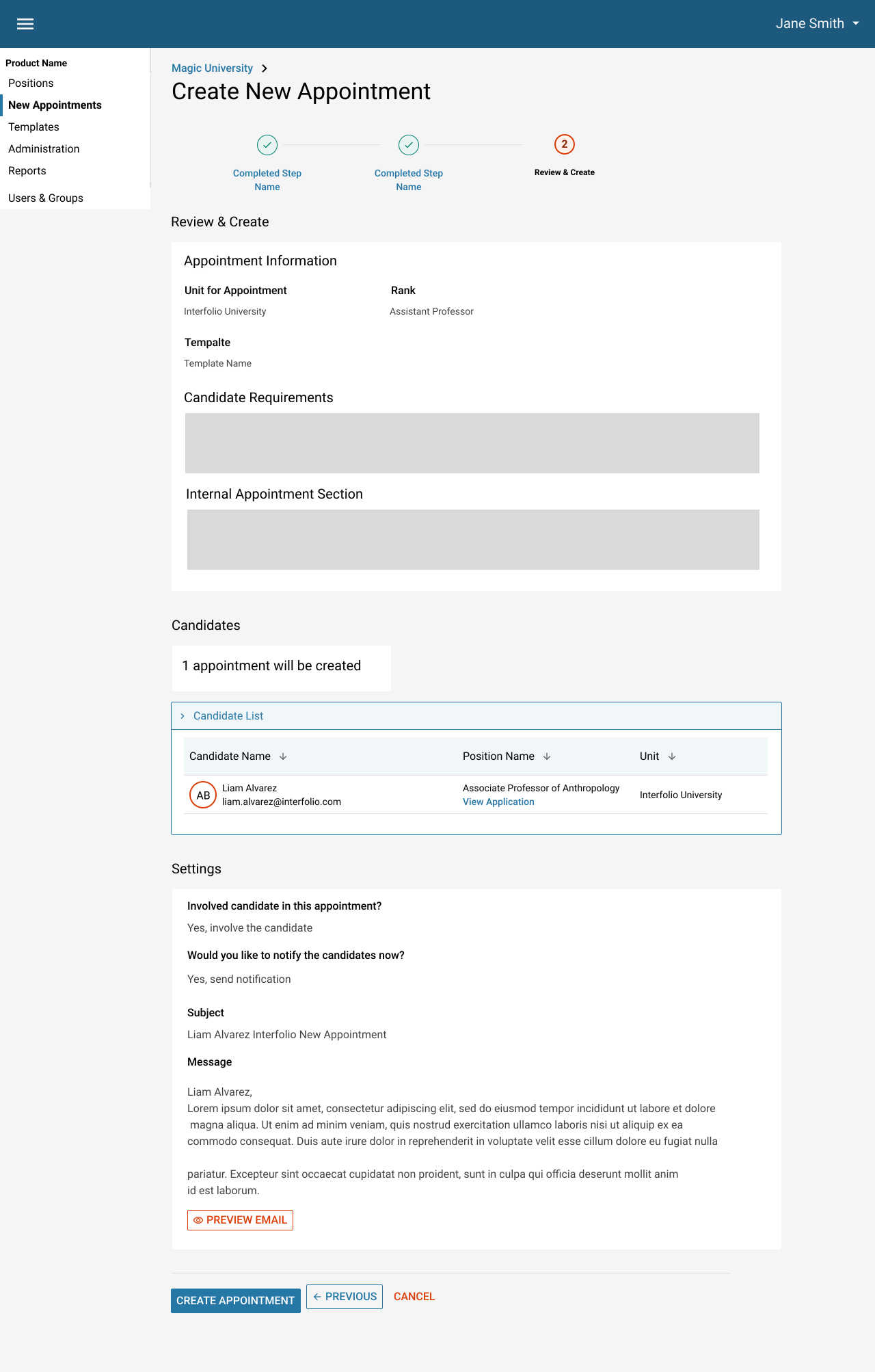
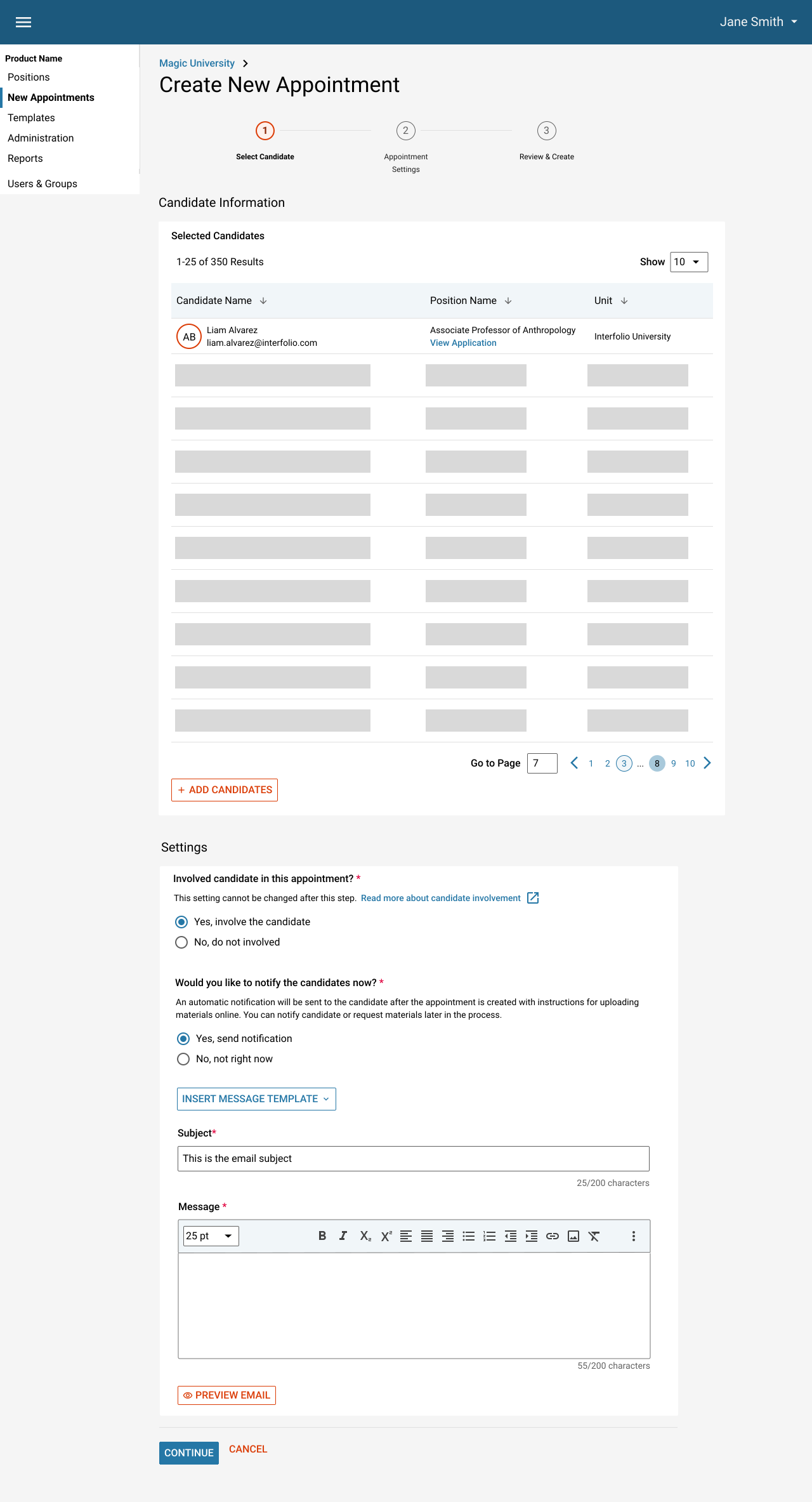
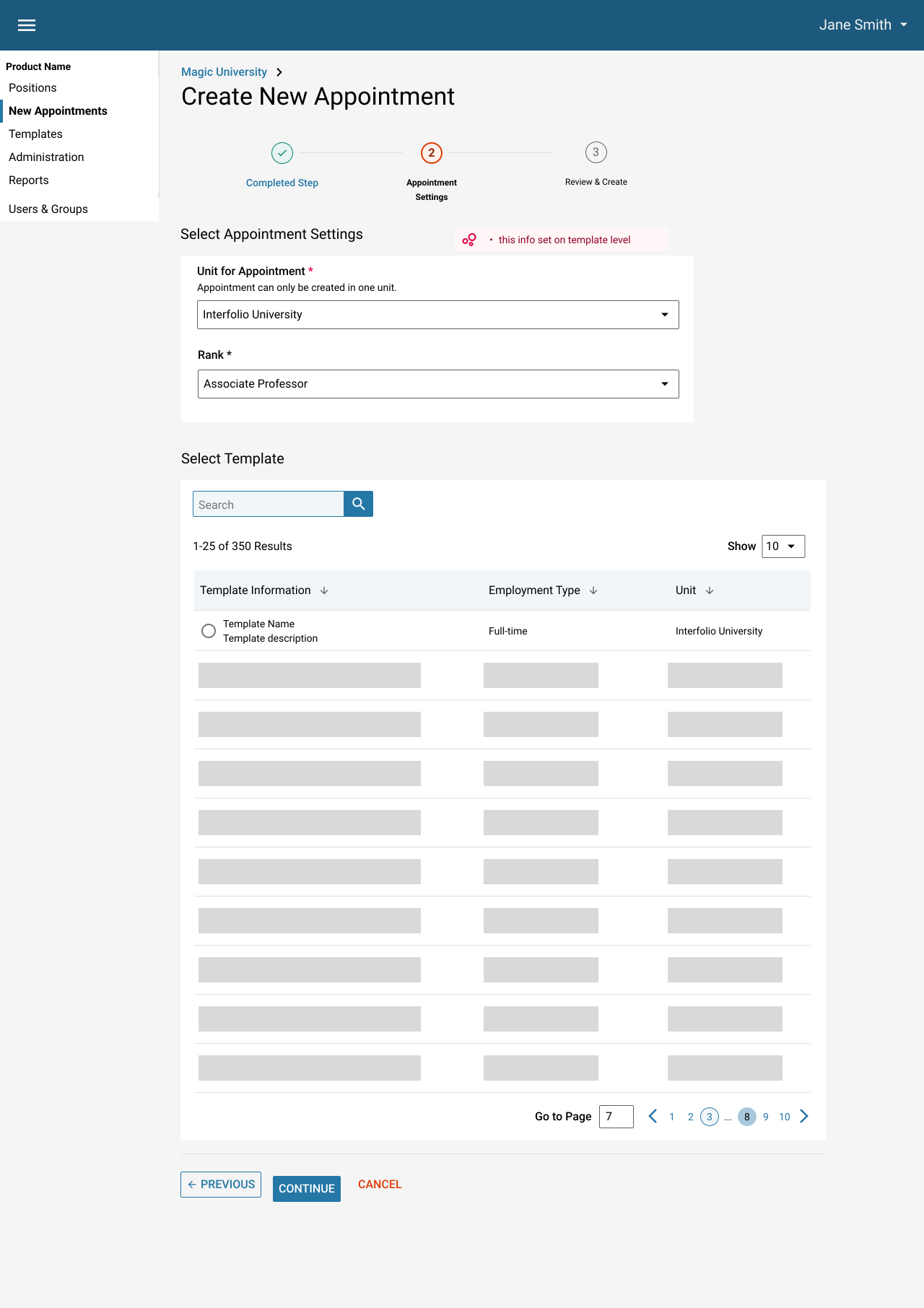
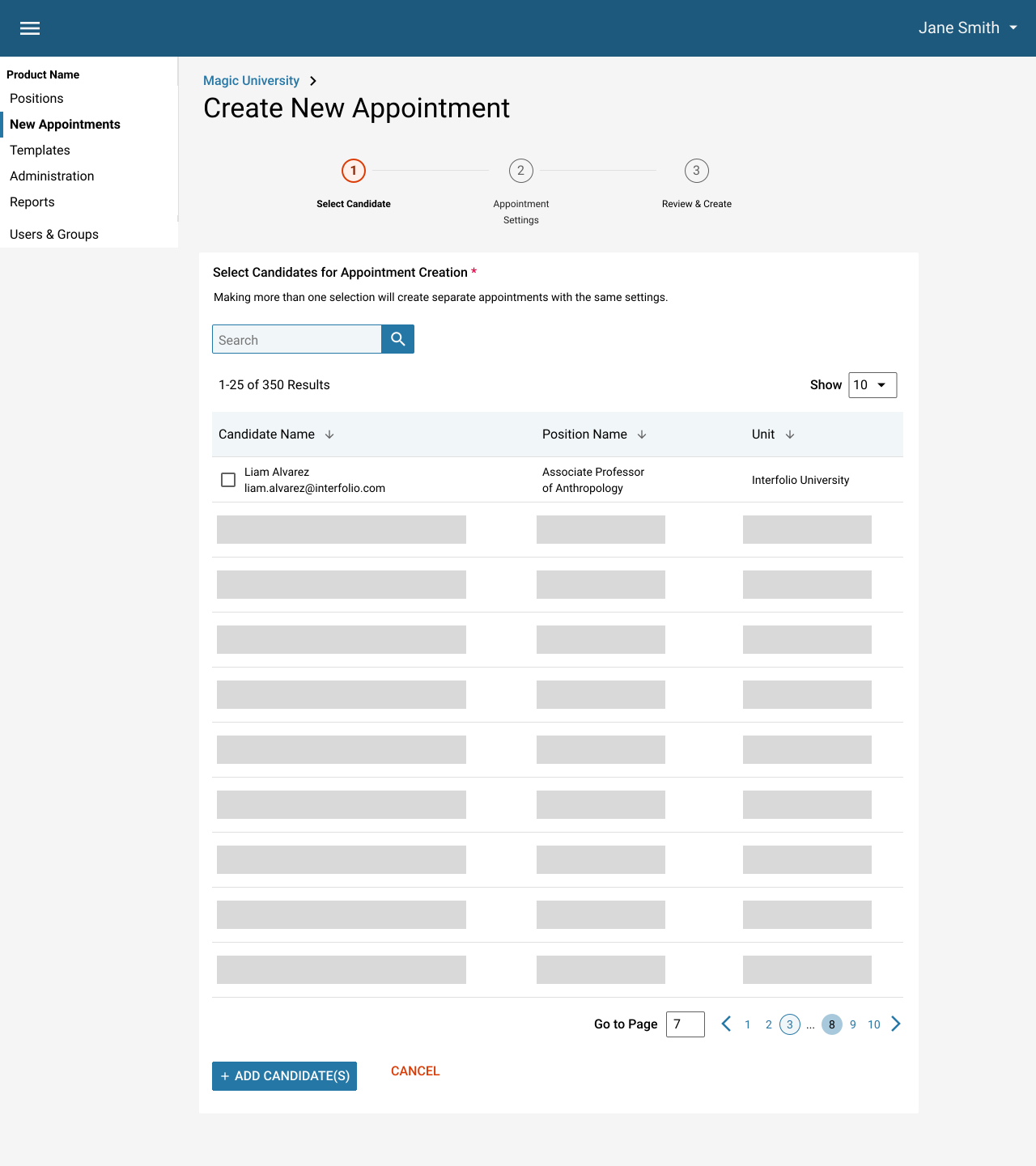
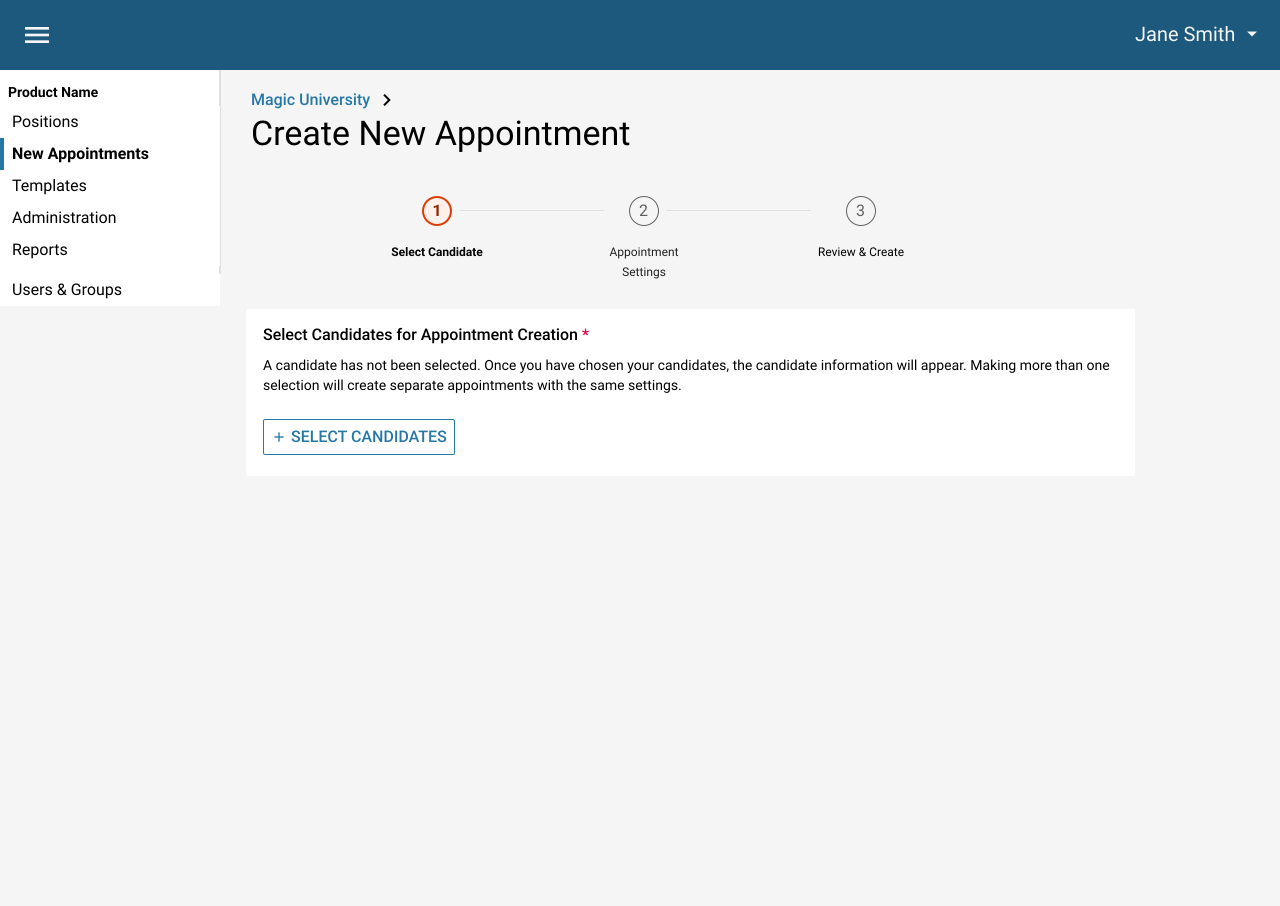
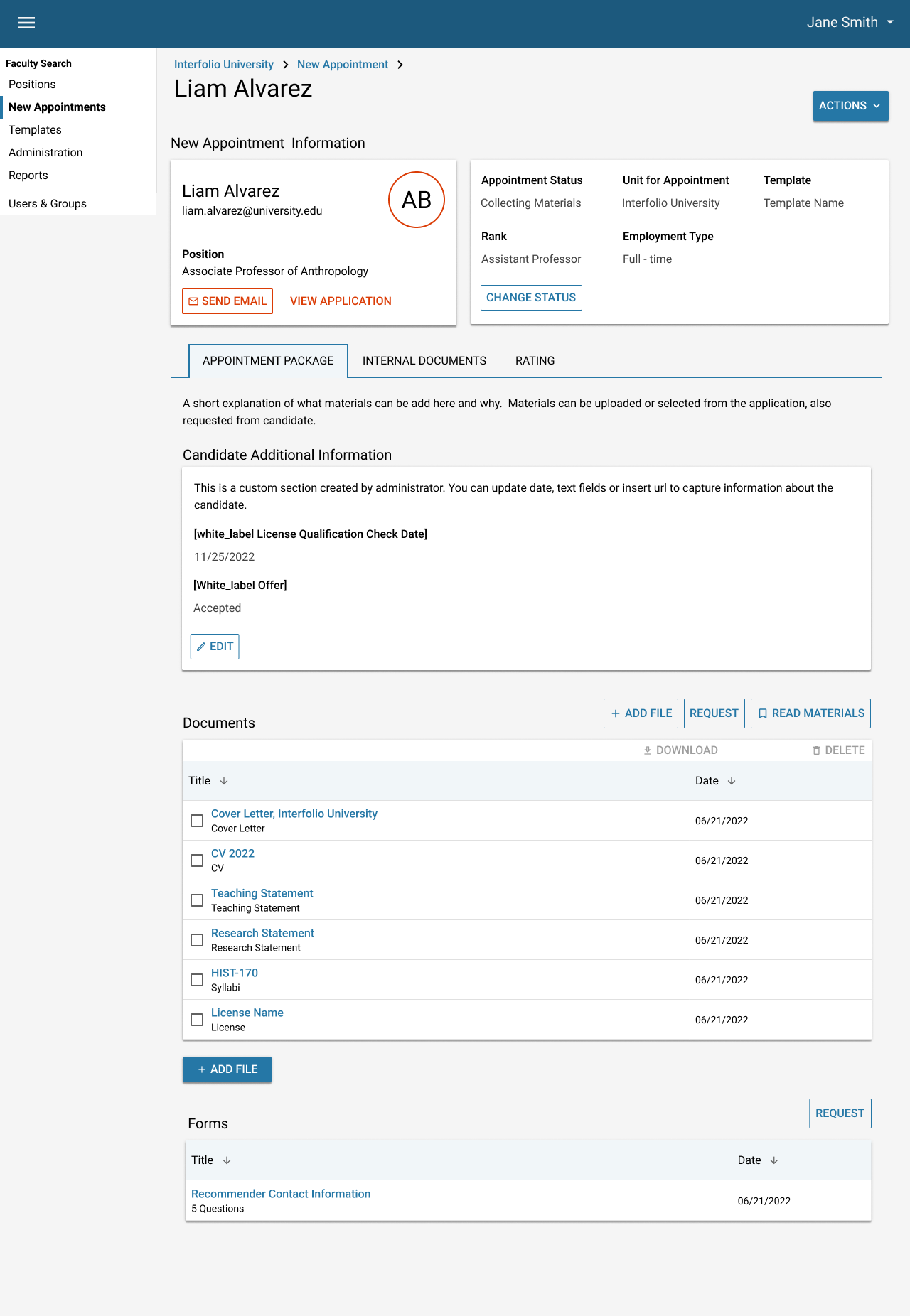
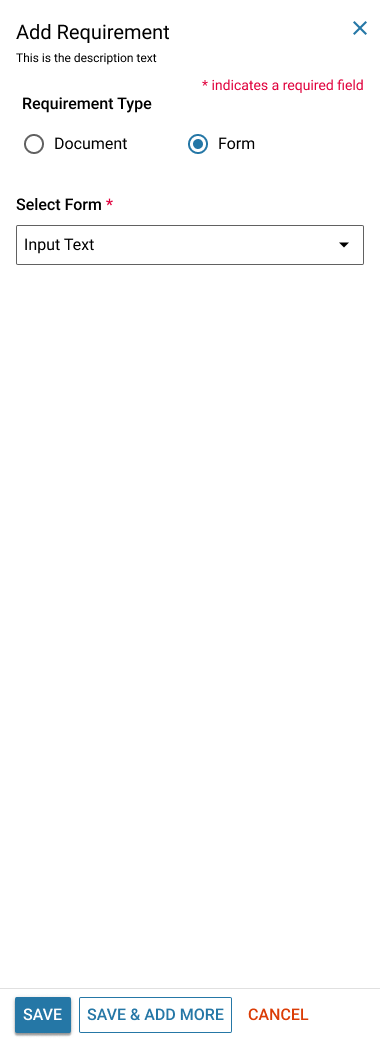
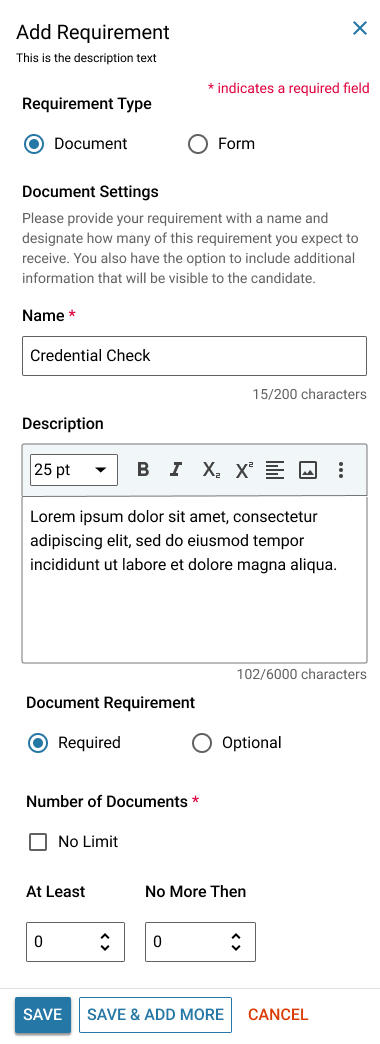
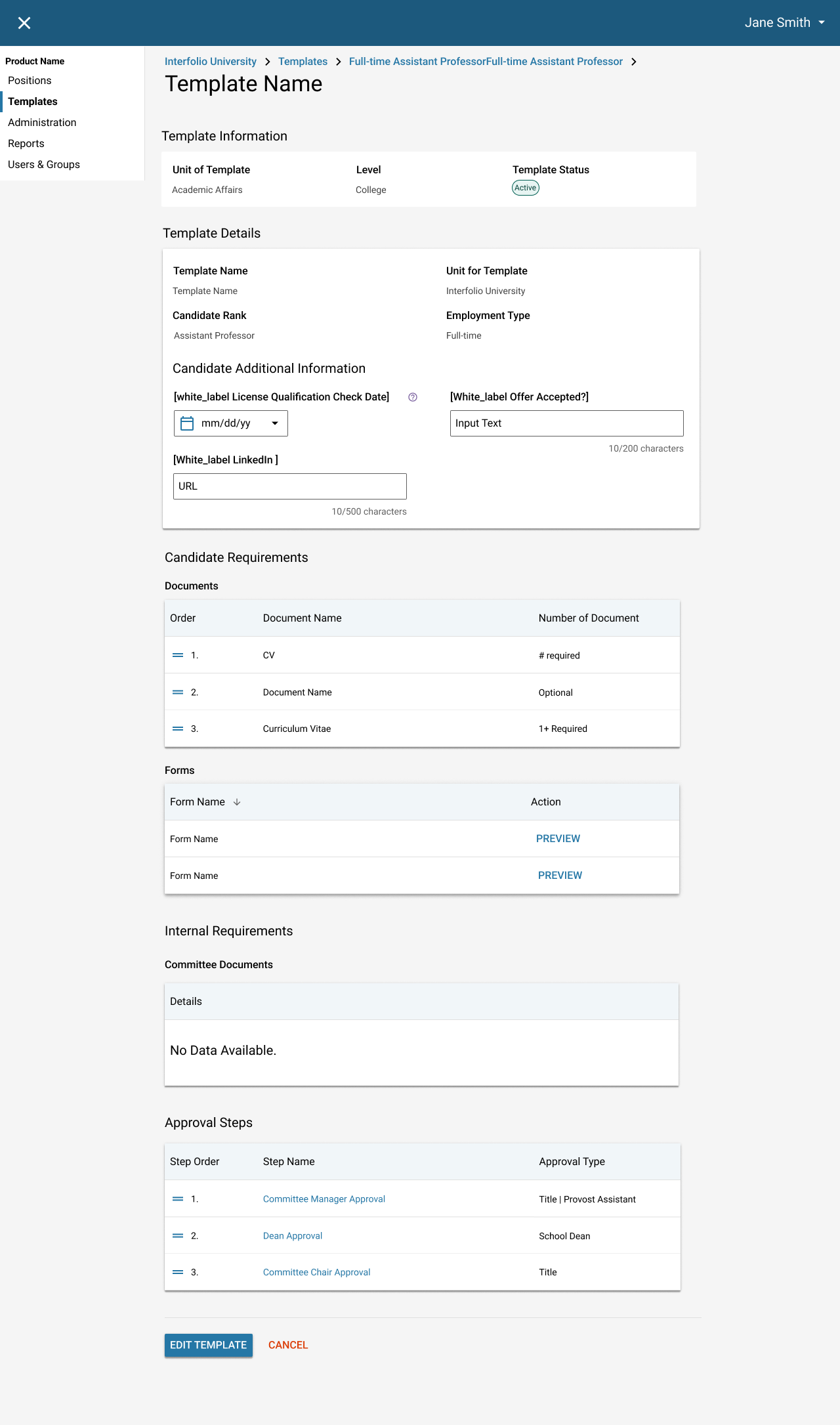
? Allow users to initiate new appointments for selected applicants in [Product Name] to ensure the reuse of documents and forms collected during the hiring process. Provide the ability to create new appointment templates for the different ranks and employment types.
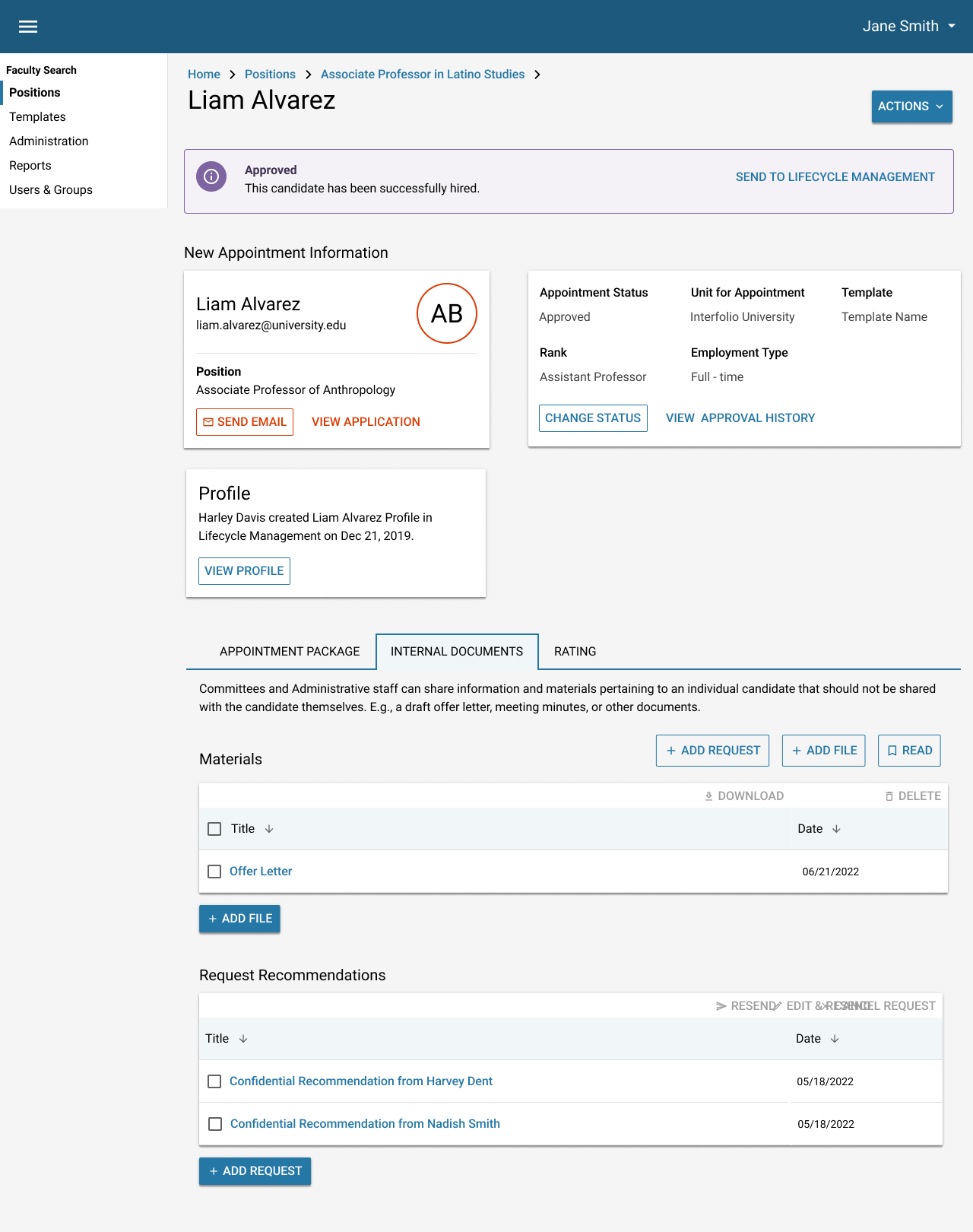
? Give users the ability to move selected appointees(including new appointment materials) to the [Product Name] user creation flow.
2
Most clients do not include candidates in the new appointment process, but they reserve the right to do so if necessary.
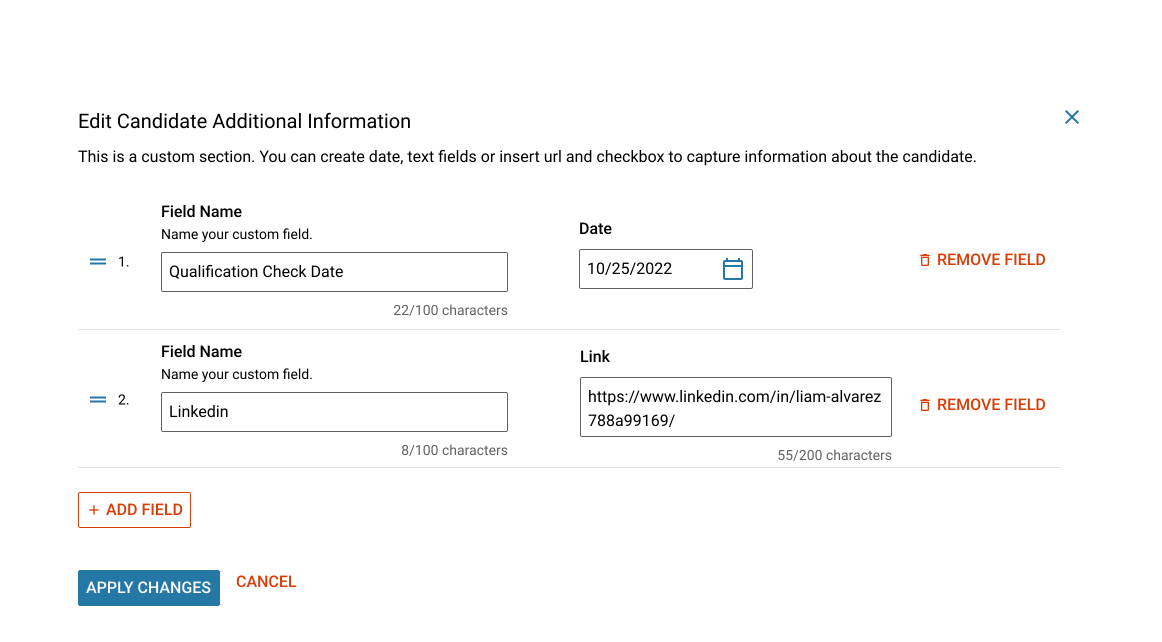
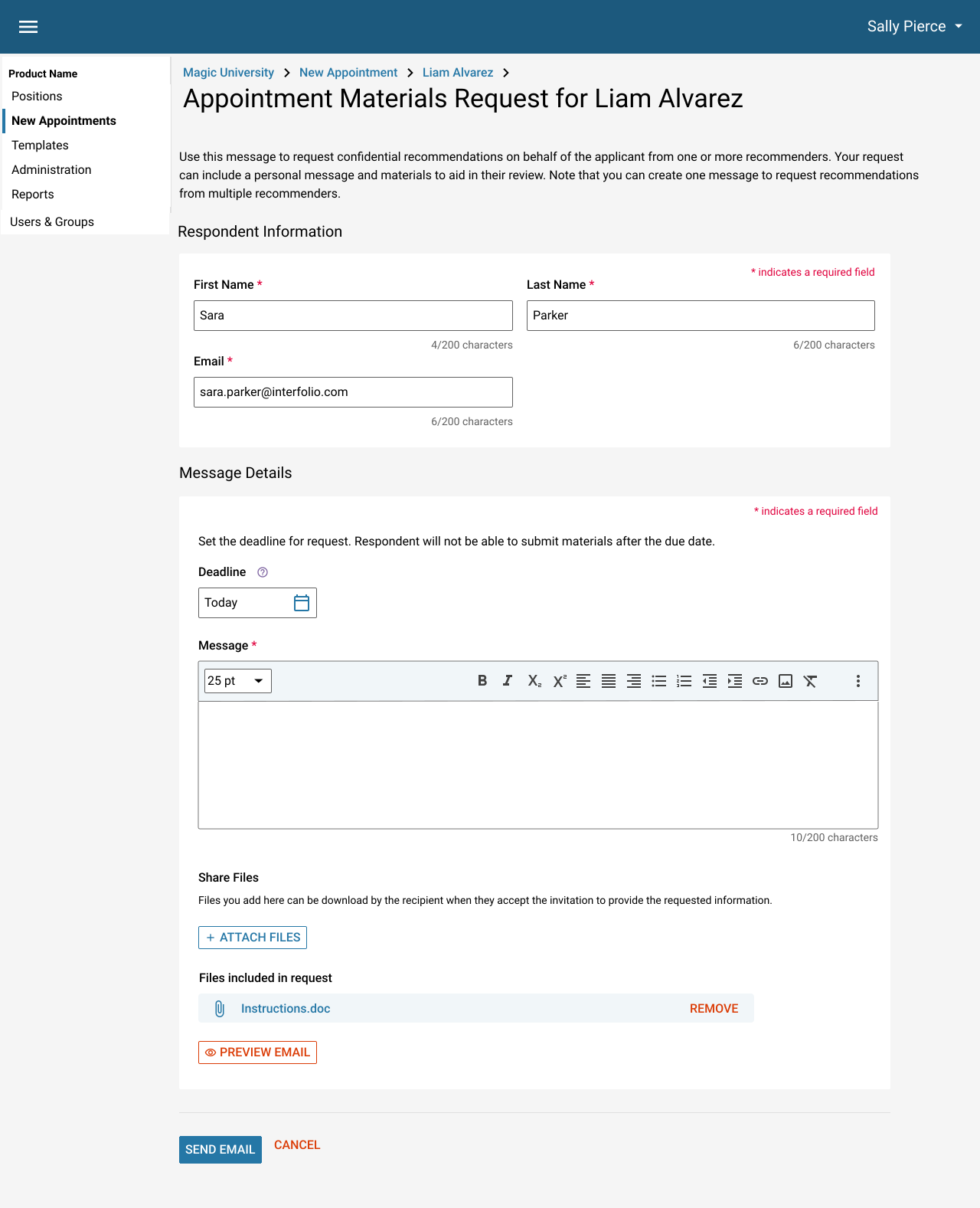
?Provide users with the opportunity to involve appointees in the process, with the ability to collaborate by providing requested materials and viewing the appointment summary. Confidential information, e.g., letters of recommendation, committee voting, and comments, must have restricted access.
3
All interviewed clients use the new appointment data for the various reports and provide information on new appointment materials upon request.
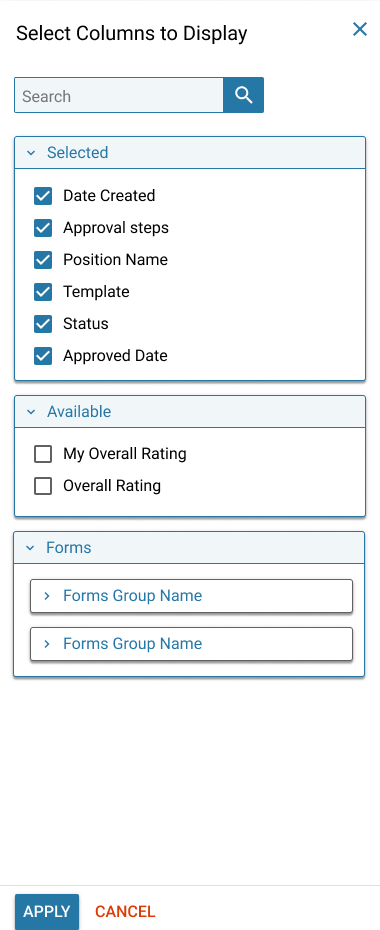
?Allow users to report on various materials collected during the new appointment process.
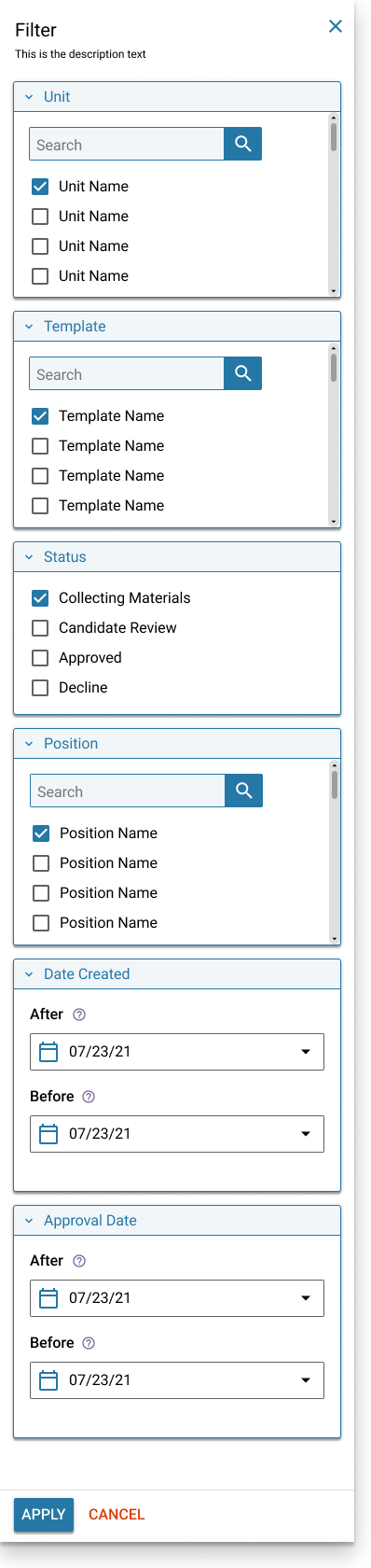
Wireframes
Next Steps
? Design validation with clients
- We will be conducting a Usability Test for the Product Name, where we will be engaging with current users as well as potential users on an individual basis. In order to gather a range of perspectives, we will be selecting research participants based on the following criteria: the size of the university they are affiliated with, their geographical location, the funding they receive, and whether their organization operates in a centralized or decentralized manner.
Selected Works
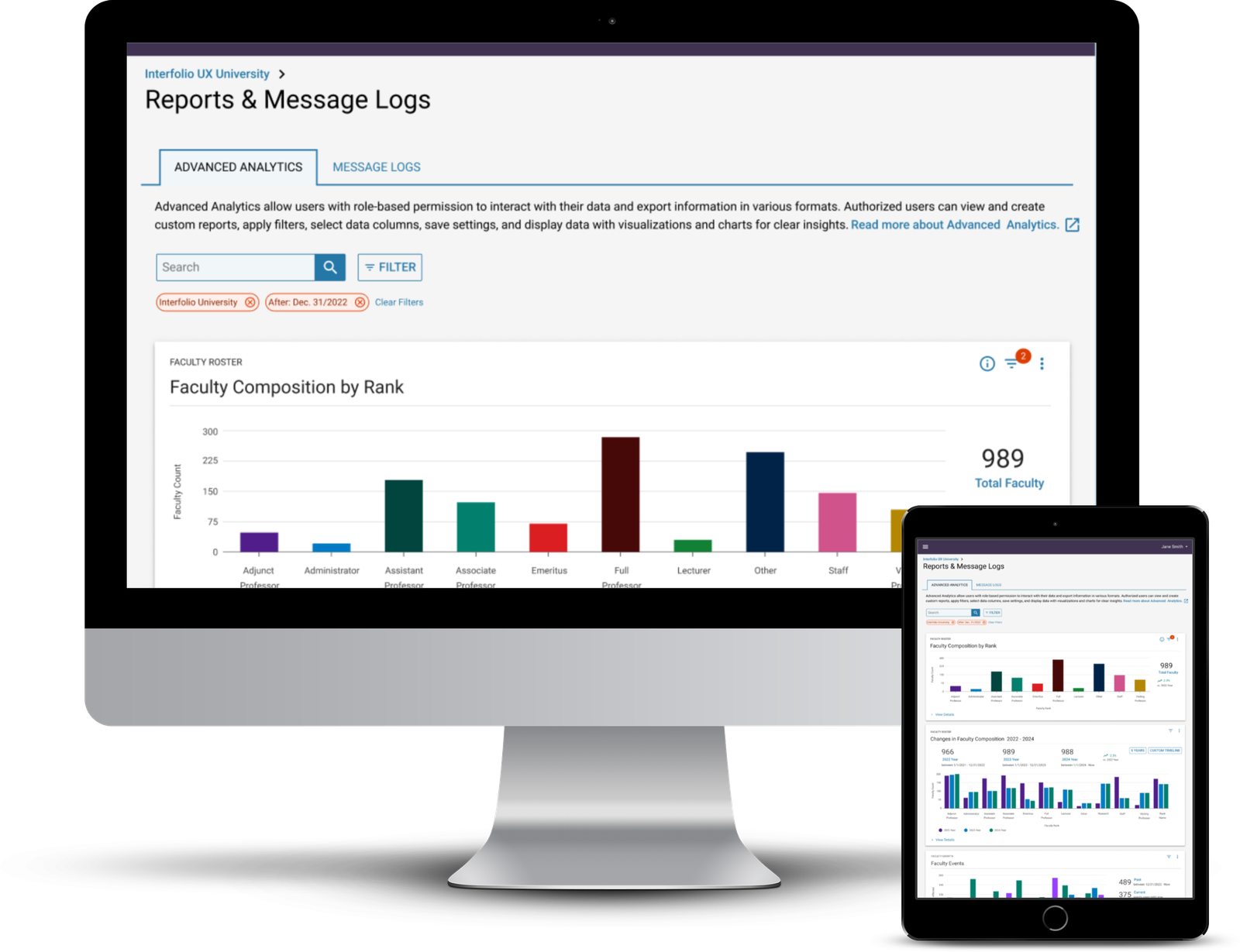
Advanced AnalyticsData Vizualisation
New AppointmentSAAS UX Design
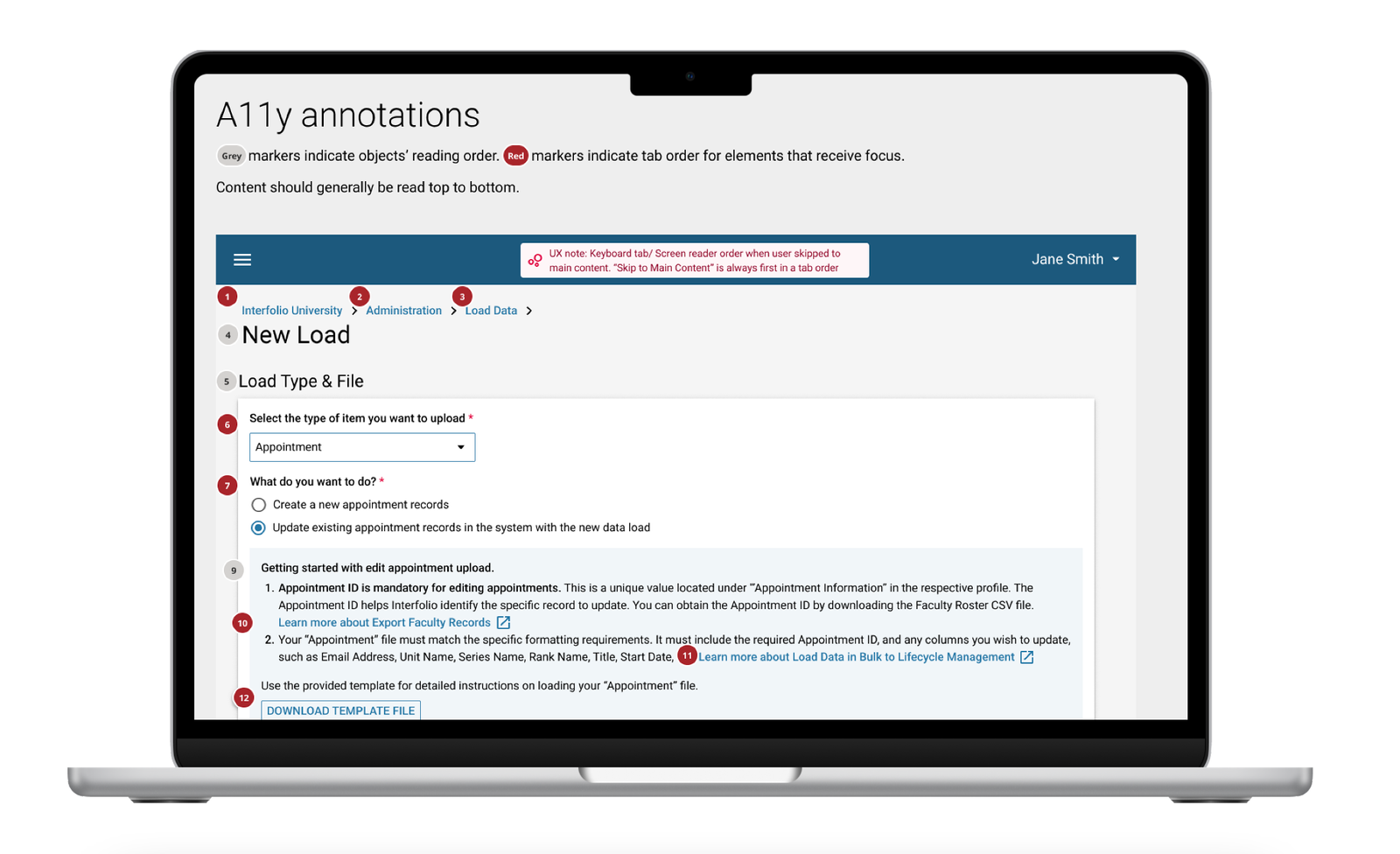
Edit Appointment Information via Data LoaderSAAS UX Design